
Comprehensive Glaucoma Testing & Management in Redmond, OR: Preserving Your Sight
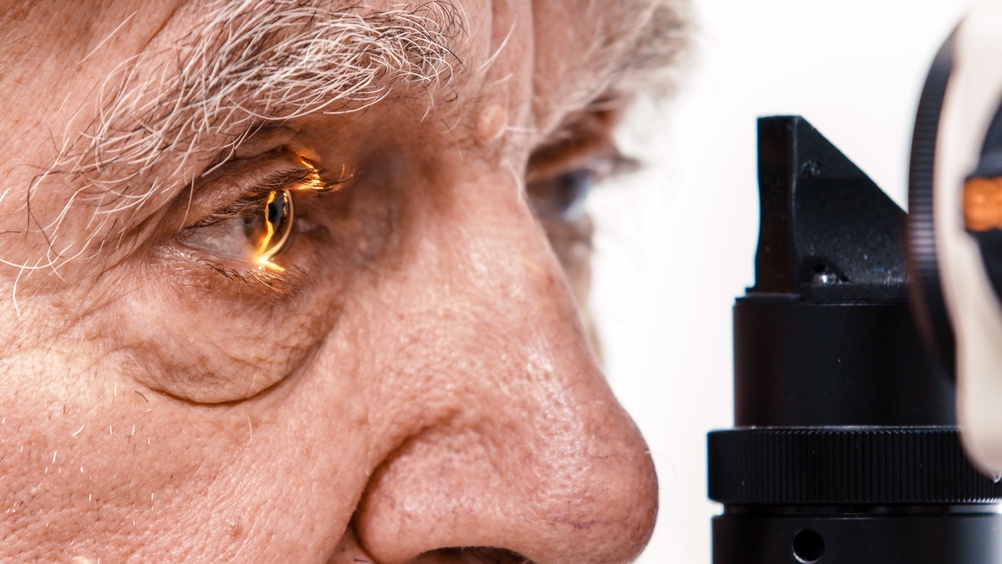
Glaucoma is a leading cause of irreversible vision loss, often developing without noticeable symptoms in its early stages. This progressive eye disease damages the optic nerve, which carries visual information from the eyes to the brain. At High Desert Vision Source in Redmond, OR, we emphasize the importance of comprehensive glaucoma testing and ongoing management to help patients protect their eyesight for years to come.
Understanding Glaucoma and Its Effects on Vision
Glaucoma refers to a group of eye conditions that damage the optic nerve, frequently due to elevated pressure inside the eye. However, glaucoma can also develop when eye pressure is within the normal range.
The most common form, open-angle glaucoma, typically progresses gradually, affecting peripheral vision before central vision. Because early changes are difficult to detect without specialized testing, many patients remain unaware of the condition until significant damage has occurred.
Although glaucoma-related vision loss cannot be reversed, early detection and appropriate treatment can help slow or prevent further damage.
What Does Comprehensive Glaucoma Testing Include?
At High Desert Vision Source, we understand that detecting glaucoma requires more than a standard vision screening. A comprehensive glaucoma evaluation may involve several diagnostic tests to assess optic nerve health, eye pressure, and visual function.
Common glaucoma testing methods include:
Tonometry: Measures intraocular pressure to identify elevated eye pressure, an important glaucoma risk factor.
Optical Coherence Tomography (OCT): Provides detailed images of the optic nerve and retinal nerve fiber layer to help identify structural changes.
Visual Field Testing: Evaluates peripheral vision to detect patterns of vision loss associated with glaucoma.
Optic Nerve Examination: Allows us to assess the appearance and health of the optic nerve for signs of damage.
Pachymetry: Measures corneal thickness, which helps us interpret eye pressure readings and evaluate glaucoma risk.
Not every patient requires every test. We determine the appropriate evaluation based on individual risk factors, examination findings, and medical history.
Who Should Schedule Glaucoma Screening?
Glaucoma can affect anyone, but certain individuals face a higher risk of developing the disease. Adults over 40, particularly those with a family history of glaucoma, should discuss their screening needs with an eye care professional.
Other risk factors include elevated eye pressure, diabetes, significant nearsightedness, previous eye injuries, and long-term corticosteroid use. People of African, Hispanic, or Asian ancestry may also have increased risks for certain forms of glaucoma.
For patients in Redmond, OR, routine comprehensive eye exams provide an opportunity to identify concerning changes before noticeable vision loss occurs.
Glaucoma Management and Long-Term Monitoring
Once glaucoma is diagnosed, the primary goal of treatment is to reduce eye pressure and preserve remaining vision. Depending on the type and severity of glaucoma, treatment may include prescription eye drops, laser procedures, or surgery.
Our approach focuses on monitoring optic nerve health, tracking vision changes, and helping patients understand their treatment plans. When additional intervention is necessary, we can coordinate referrals to appropriate specialists.
Regular follow-up appointments are essential because glaucoma requires lifelong monitoring, even when eye pressure appears controlled.
Protect Your Vision With Early Glaucoma Detection
Glaucoma often progresses silently, making preventive eye care especially important. Through comprehensive testing and personalized monitoring, we help patients take proactive steps toward maintaining healthy vision.
Protect your eyesight before changes become noticeable. Schedule a comprehensive glaucoma evaluation with High Desert Vision Source in Redmond, OR, by calling (541) 923-2221 today.
Helpful Articles
All Eye Care Services
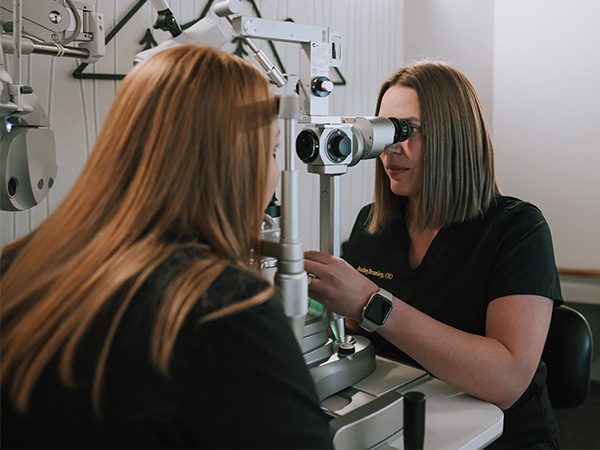
Find personalized eye care excellence with our comprehensive services. From eye exams to advanced diagnostics, trust us for all your vision needs.
Keep In Touch
For non-urgent questions or to learn more about our services, contact us today!
© 2026 High Desert Vision Source. All rights Reserved - Accessibility Statement - Privacy Policy - Sitemap
Managed and Designed by 