
Diabetes and Your Eyes: Why Regular Retinal Checks Matter
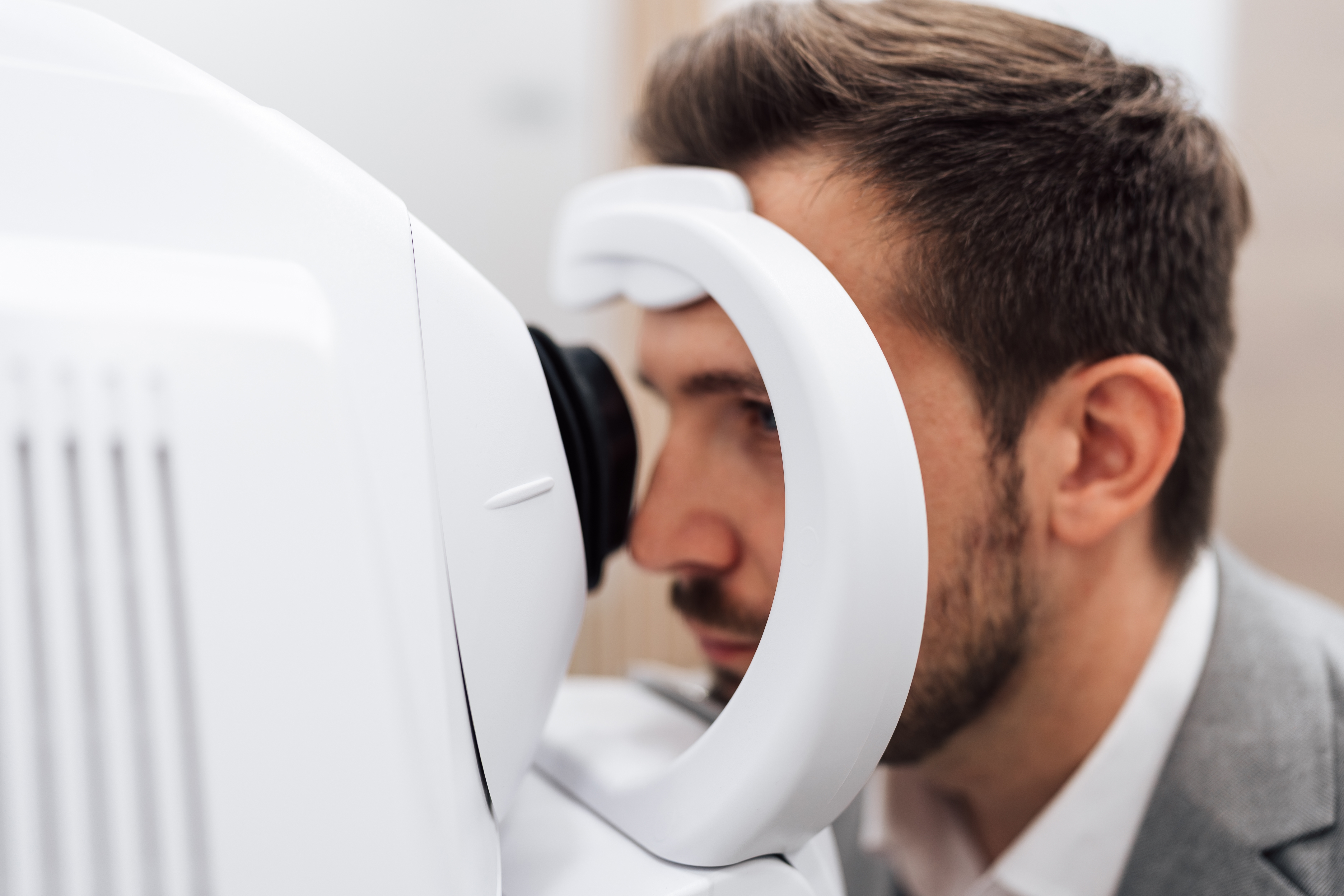
Diabetes affects more than blood sugar levels. It also impacts eye health, particularly the retina, which is responsible for processing light and sending visual information to the brain. Even when your vision seems clear, diabetes-related changes can develop without noticeable symptoms. At High Desert Vision Source in Redmond, OR, we provide diabetic eye exams to monitor retinal health and identify early signs of complications.
How Diabetes Affects the Retina
Over time, elevated blood sugar levels can damage the small blood vessels that supply the retina. This condition, known as diabetic retinopathy, can cause blood vessels to leak, swell, or develop abnormally.
Diabetes also increases the risk of diabetic macular edema, which occurs when fluid accumulates in the macula, the part of the retina responsible for sharp central vision. Without proper monitoring and treatment when needed, these conditions can lead to significant vision loss.
Why Regular Retinal Checks Are Important
One of the biggest concerns with diabetic eye disease is that early changes often occur without warning signs. You might have 20/20 vision while retinal damage is developing.
Regular diabetic retinal checks help us:
- Identify early signs of diabetic retinopathy before symptoms appear.
- Monitor changes in retinal blood vessels over time.
- Detect retinal swelling that could affect central vision.
- Determine whether additional testing, closer monitoring, or specialist care is necessary.
Early detection provides more opportunities to manage diabetic eye disease before significant vision loss occurs.
What Happens During a Diabetic Eye Exam?
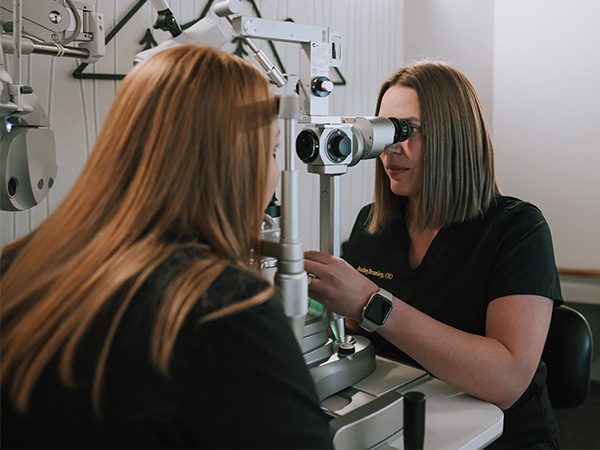
At High Desert Vision Source, we evaluate your vision and overall eye health while paying particular attention to diabetes-related changes. A diabetic eye exam typically includes a detailed retinal evaluation. Dilating the pupils allows us to examine the structures at the back of the eye, including the retina and its blood vessels. Additional imaging or testing may be recommended based on your findings. We also review your medical history, current vision concerns, and relevant health factors to help determine an appropriate monitoring schedule.
How Often Should You Have a Retinal Exam?
Most patients with diabetes should receive a comprehensive dilated eye exam approximately once a year, although the recommended frequency depends on their individual risk factors and examination findings.
People newly diagnosed with type 2 diabetes should receive an initial dilated eye exam at diagnosis. Adults with type 1 diabetes generally begin screening within five years of onset.
If retinal changes are already present, more frequent evaluations may be necessary. Sudden vision loss, new flashes or floaters, or a dark curtain across your vision require urgent evaluation rather than waiting for your next routine appointment.
If you have diabetes, don't wait for vision changes to schedule your next eye exam. Contact High Desert Vision Source for a diabetic eye exam and personalized retinal health monitoring. Visit our office in Redmond, OR, or call (541) 923-2221 to book your appointment today.
Helpful Articles
All Eye Care Services
Find personalized eye care excellence with our comprehensive services. From eye exams to advanced diagnostics, trust us for all your vision needs.

Keep In Touch
For non-urgent questions or to learn more about our services, contact us today!
© 2026 High Desert Vision Source. All rights Reserved - Accessibility Statement - Privacy Policy - Sitemap
Managed and Designed by 