
More Than an Eyeglass Prescription: What a Comprehensive Eye Exam Reveals About Your Eye Health
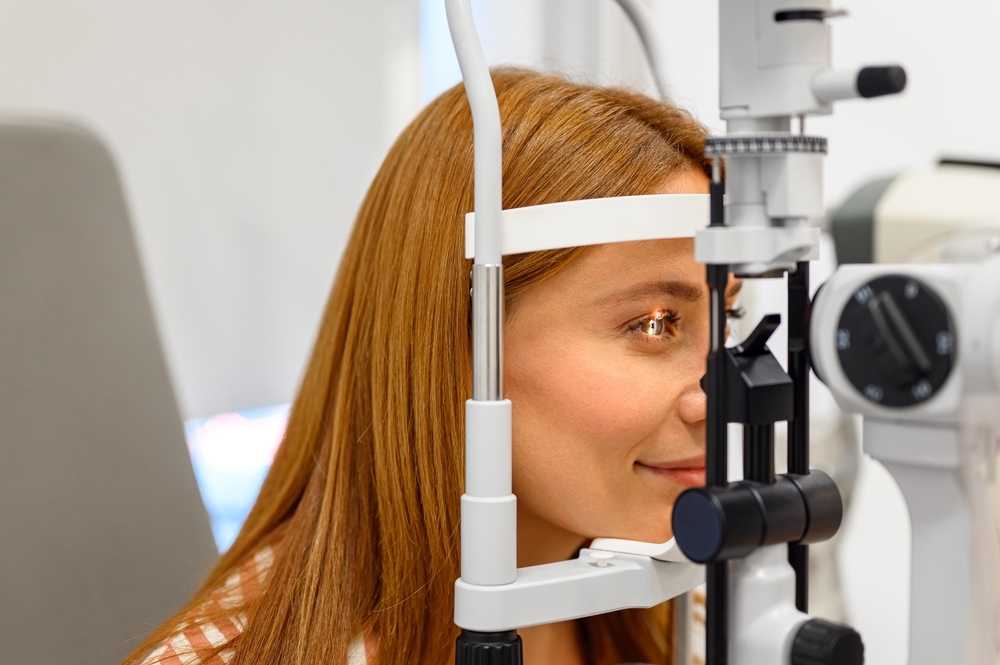
More Than an Eyeglass Prescription: What a Comprehensive Eye Exam Reveals About Your Eye Health
When many people think about an eye exam, they think about updating their eyeglass or contact lens prescription. While clear vision is an important part of your visit, a comprehensive eye exam reveals much more than how well you can read an eye chart.
At High Desert Vision Source, comprehensive eye exams help us evaluate your vision, eye comfort, and overall eye health. Even if your eyesight seems stable, regular exams can detect subtle changes that may not cause noticeable symptoms right away.
Why Vision Is Only One Part of the Exam
A prescription check measures how your eyes focus and whether you need corrective lenses. A comprehensive eye exam goes further by looking at how your eyes work together, how clearly you see at different distances, and whether the internal and external structures of your eyes appear healthy.
This is especially important because many eye conditions develop slowly. You may not notice changes until the condition has progressed. Regular eye exams give your optometrist a baseline for your eye health, making it easier to monitor changes over time.
What a Comprehensive Eye Exam Can Detect
During a comprehensive eye exam, our eye doctors evaluate the front and back of the eyes, check eye pressure when needed, and look for signs of common eye diseases. These tests can help identify concerns that may affect your vision now or in the future.
A comprehensive eye exam may help detect signs of:
• Glaucoma
• Cataracts
• Macular degeneration
• Diabetic eye disease
• Dry eye disease
• Retinal changes
• Eye strain or focusing problems
These conditions do not always cause obvious symptoms in the early stages. That is why preventive eye care is important, even for patients who do not currently wear glasses or contacts.
Eye Exams and Overall Health
Your eyes can also show signs of certain health conditions. Because the retina contains blood vessels that can be viewed during an eye exam, your optometrist may notice changes related to diabetes, high blood pressure, inflammation, or other systemic concerns.
How Often Should You Schedule an Eye Exam?
The right exam schedule depends on your age, vision needs, medical history, family history, and risk factors for eye disease. Some patients only need routine monitoring, while others may need more frequent visits to manage existing conditions or track changes over time.
Children, adults who spend long hours on screens, contact lens wearers, patients with diabetes, and adults over 40 may especially benefit from annual comprehensive eye exams. If your vision changes suddenly or you notice symptoms such as flashes, floaters, eye pain, or vision loss, schedule care promptly.
Clear Vision Starts with Healthy Eyes
A comprehensive eye exam is about more than getting a new prescription. It helps protect your sight, detect early warning signs, and support long-term eye health. By keeping up with routine eye care, you give your eyes the attention they need before small changes become bigger concerns.
Schedule a comprehensive eye exam at High Desert Vision Source to get a clearer picture of your vision and overall eye health. Visit our office in Redmond, OR, or call (541) 923-2221 to book an appointment today.
Helpful Articles
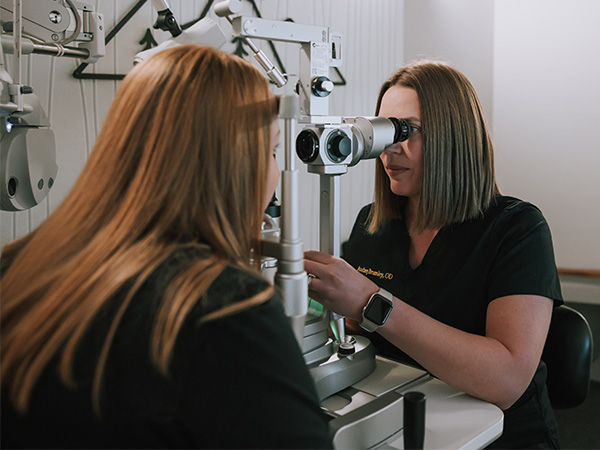
All Eye Care Services
Find personalized eye care excellence with our comprehensive services. From eye exams to advanced diagnostics, trust us for all your vision needs.

Keep In Touch
For non-urgent questions or to learn more about our services, contact us today!
© 2026 High Desert Vision Source. All rights Reserved - Accessibility Statement - Privacy Policy - Sitemap
Managed and Designed by 